Non-GMO Soybean Meal / Euro*
- Mar 26
- DE North 499
- DE South 482
- Austria 465
- Hungary 446
- Italy 463
- Apr – Jun 26
- DE North 499
- DE South 482
- Austria 465
- Hungary 446
- Italy 463
- Jul – Sep 26
- DE North 509
- DE South 489
- Austria 474
- Hungary 455
- Italy 468
- Oct – Dec 26
- DE North 516
- DE South 490
- Austria 484
- Hungary 465
- Italy 468
Our research
At Protealis we believe that legume crops can become an essential part of our future agriculture. That is why we invest in high-tech breeding techniques. Moreover, to enable these crops to thrive in our area, we are conducting research on seed coatings with proprietary yield-enhancing soil bacteria.
Where other breeders deploy their resources and technology on the biggest markets like wheat and maize, we are resolutely investing in the crops of the future.
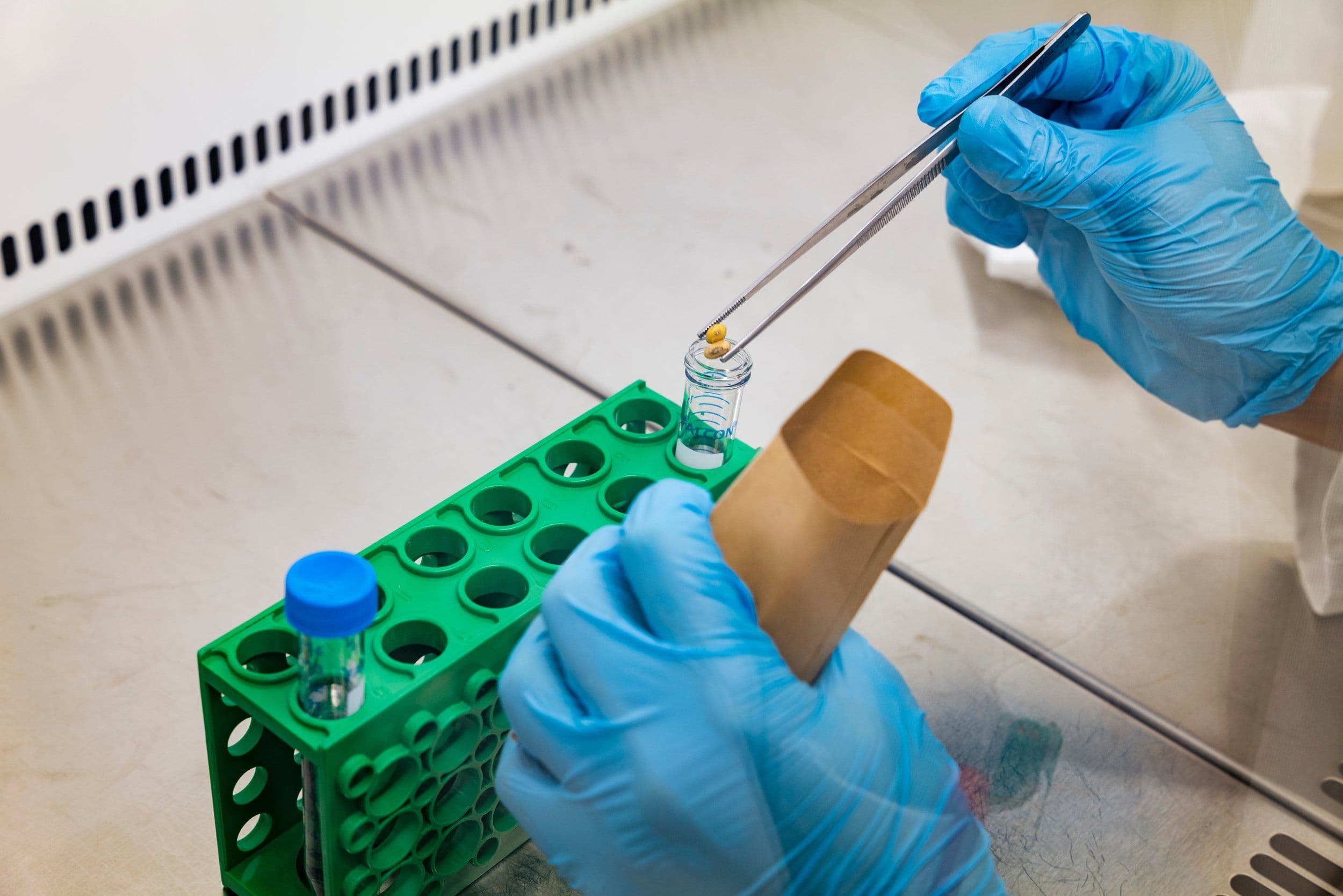
Innovative breeding technologies
Because we believe that legume crops have the potential to become a worthy and competitive alternative to other crops in the future, we are investing in high-tech breeding techniques.
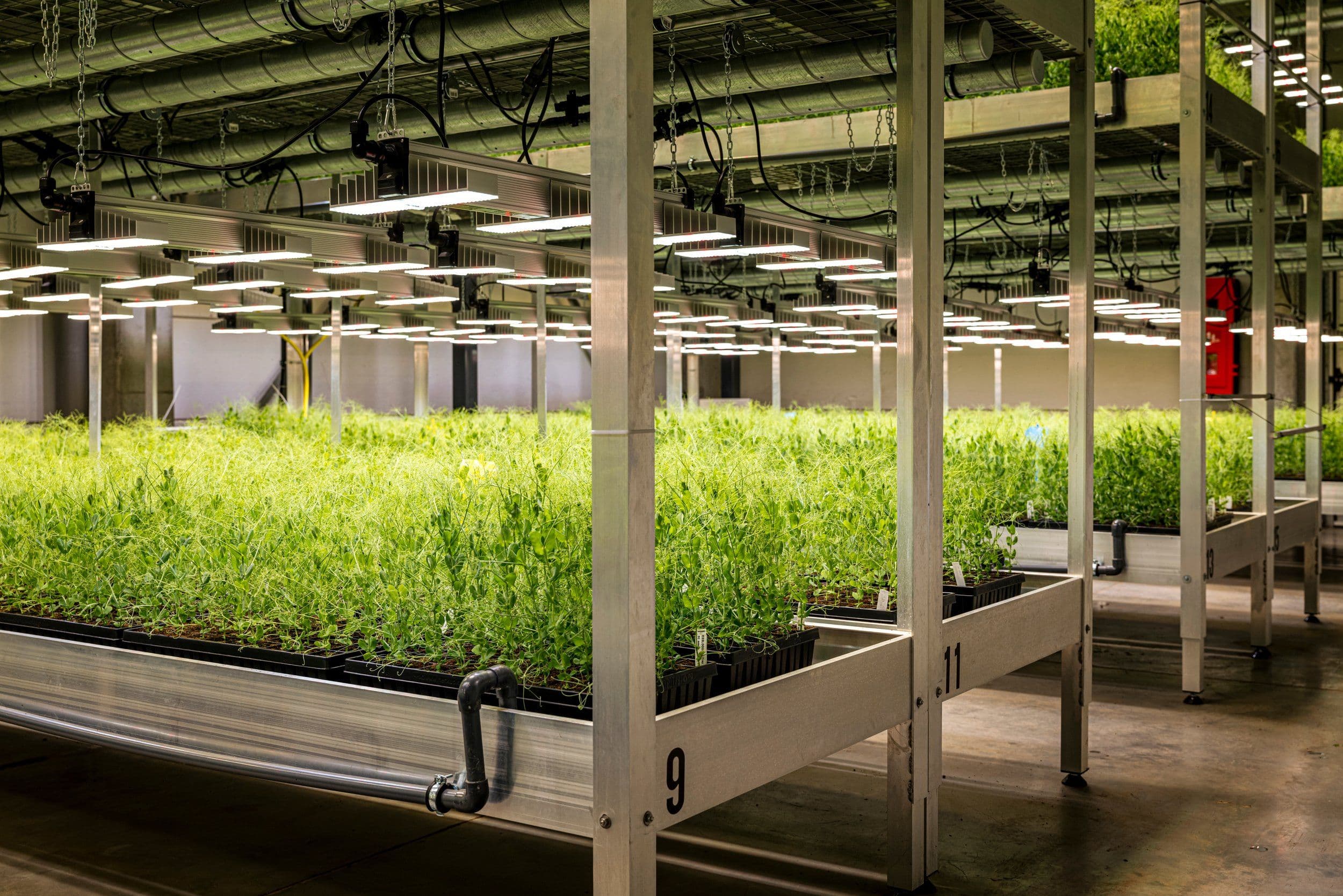
Since the end of 2022 we have been been fully implementing speed breeding in all our breeding programs. Speed breeding reduces the breeding cycle and fastens crop research by producing many generations within a short period of time. Thanks to speed breeding, we can shorten the breeding cycle by at least three years.
Speed breeding works very complementary with DelphiTM. DelphiTM (supported by VLAIO) is our proprietary approach to combine genetics, artificial intelligence, automated field data collection and remote sensing to maximize genetic gain per breeding cycle and optimize the use of the available throughput capacity.
Thanks to our innovative breeding technologies, we can accelerate the introduction of new and better varieties to the market, respond to the rapidly rising market demand, and address the urgency to have both economic and ecologically sustainable farming options.
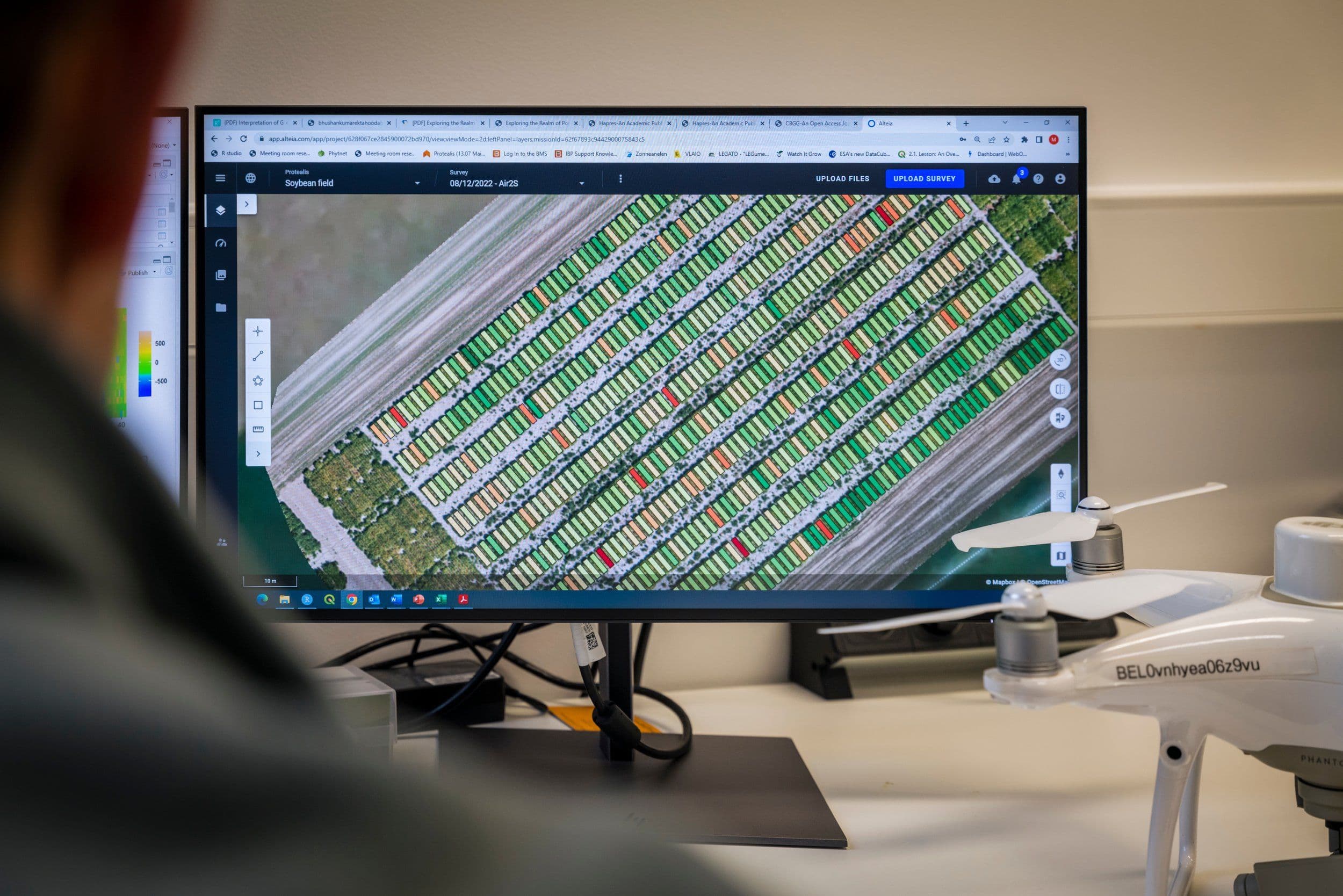
Microbial research on proprietary seed coatings
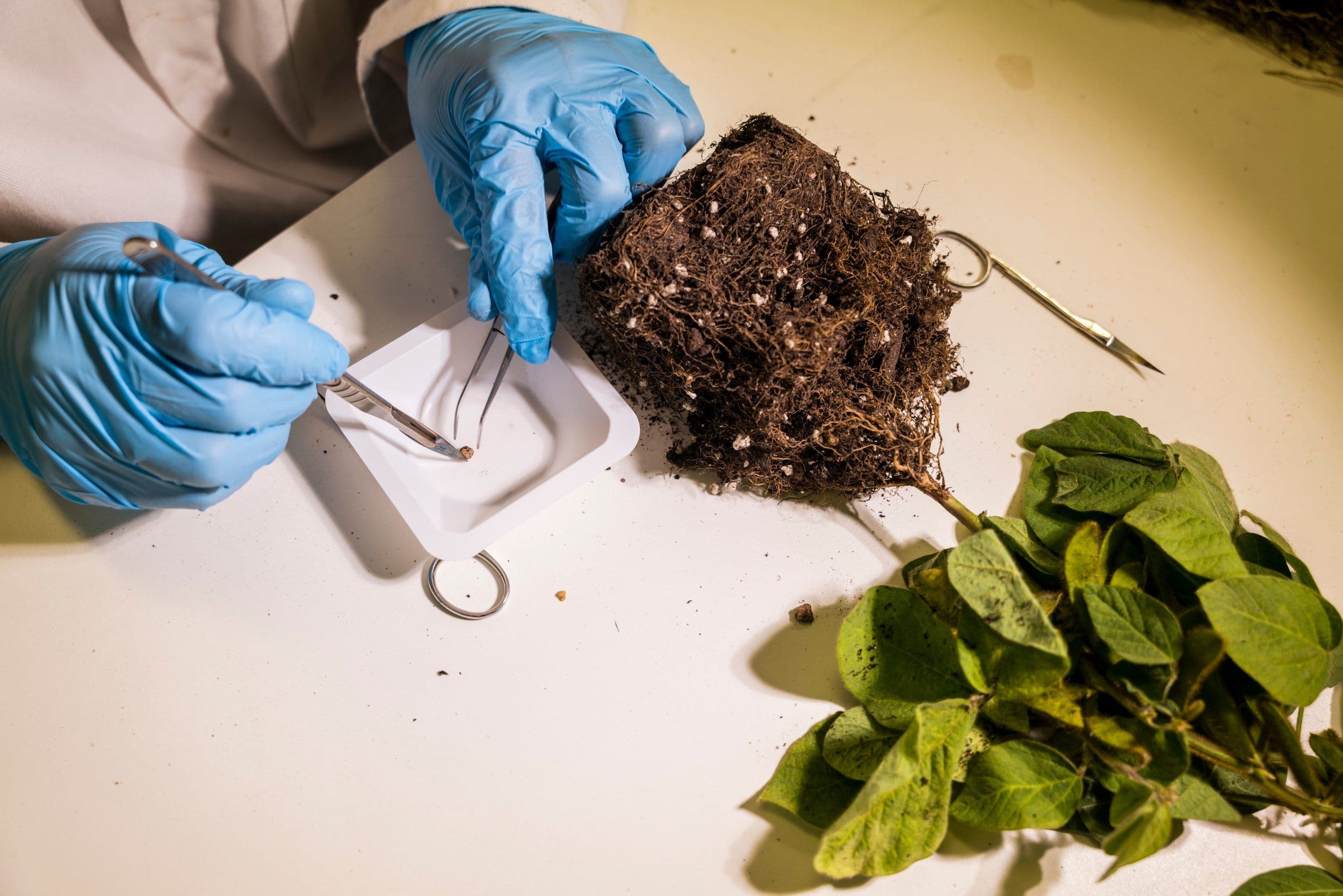
Soy is a leguminous plant that can bind nitrogen from the air through its root nodules, which are formed in symbiosis with Rhizobia bacteria, thus meeting its own nitrogen needs. Since soybean is not native to Europe, these beneficial bacteria are naturally absent from European soils. As a result, farmers must inoculate seeds before sowing, as inoculation avoids the need for nitrogen fertilization, and is a key success factor to achieve both high yield and optimal protein content. However, this process that can be complex, time-sensitive, and difficult to scale on large farms.
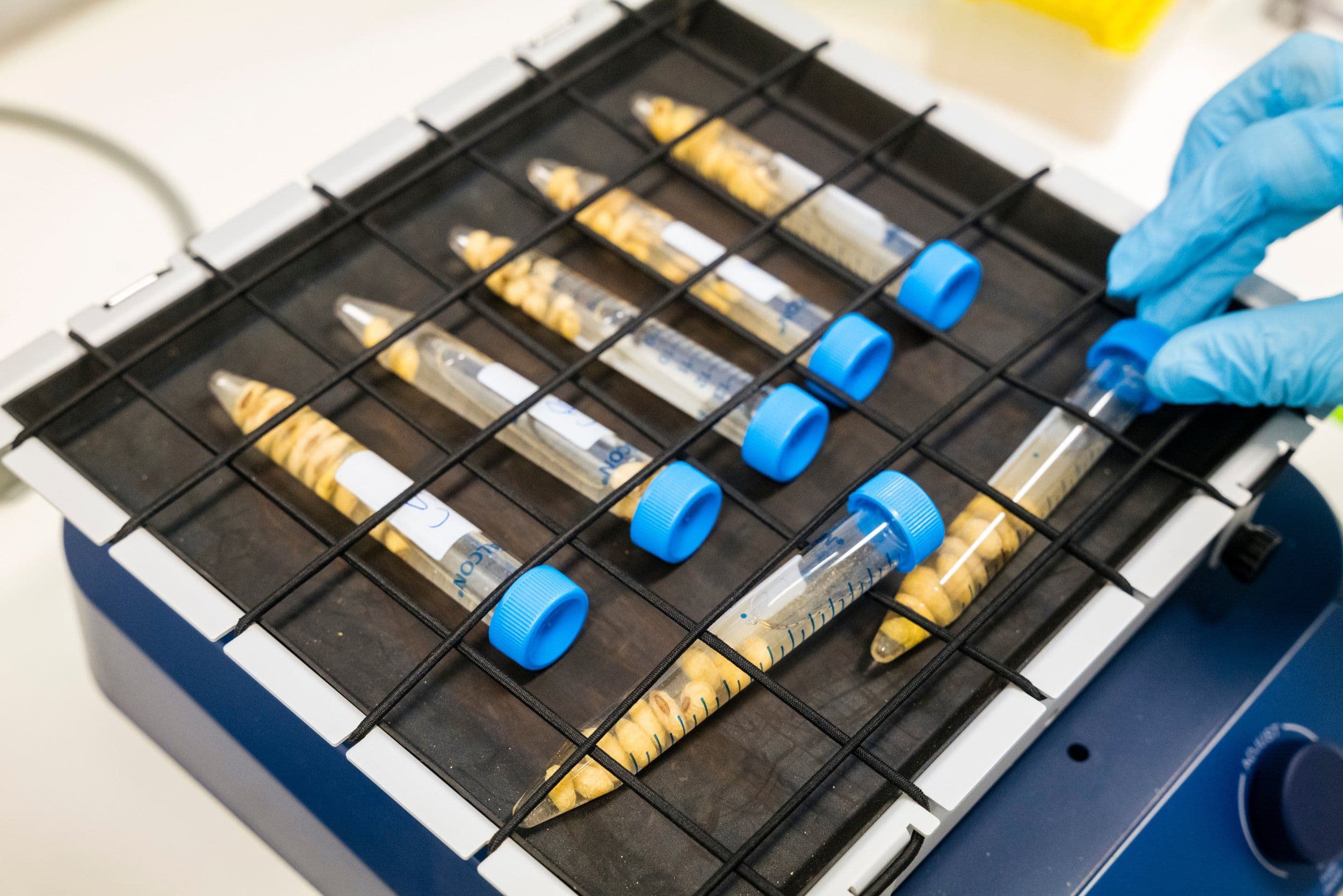
With support from NextGenerationEU and VLAIO, we developed MagNfix™, proprietary microbial seed coating technology, specifically developed for European growing conditions. The coating contains Protealis’ patented Bradyrhizobium bacteria, uniquely originating from European soils and developed through years of dedicated research. These locally adapted bacteria are highly effective in cooler European conditions and remain alive and active during seed storage. The European origin and adaptation to European soils of the bacteria are what make MagNfix™ truly unique. In addition, the advanced coating formulation plays a crucial role by protecting the bacteria and ensuring their stability and performance over time.
Trials across different locations in a range of European countries show that MagNfix™ consistently delivers strong yields and high protein content, while simplifying soybean cultivation for European farmers.